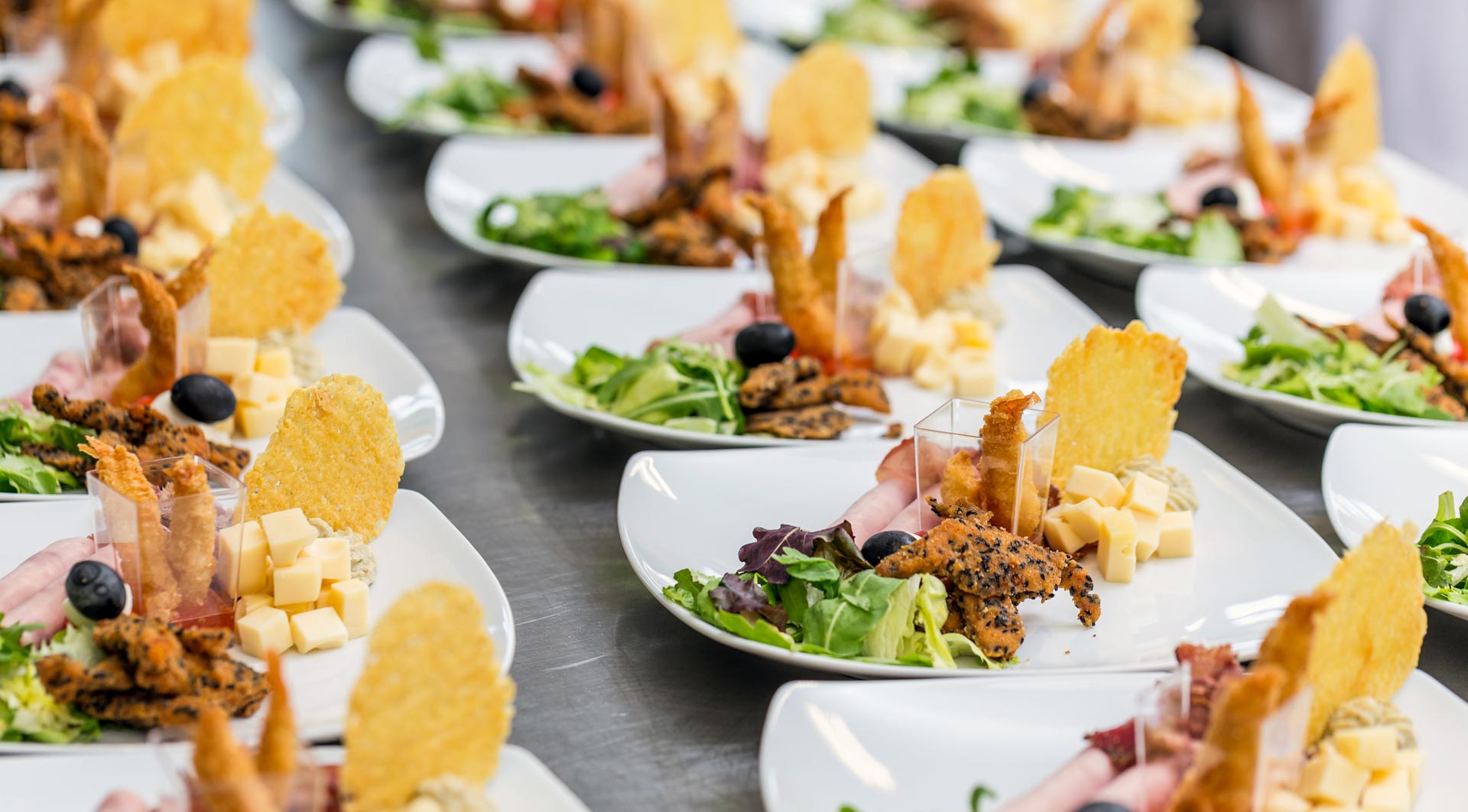
Planning a memorable event requires more than delicious food; it demands timing, coordination, and a well-structured catering strategy. Whether you are hosting an intimate gathering or a large-scale celebration, effective planning ensures every detail flows effortlessly. From designing the menu to organizing the service timeline, mastering smart catering strategies will elevate the guest experience and reduce stress for hosts and organizers.
Denim Will
Dec 09, 2025
Strong catering begins with clarity. Before choosing the menu or service style, caterers must understand the event’s purpose, venue conditions, timing, and guest expectations. These early details form the backbone of a well-executed plan.
When the foundational information is accurate, caterers can better manage staffing, equipment needs, budgeting, and logistics—ensuring the event unfolds seamlessly.
Understanding the Foundation of a Successful Catering Plan
Great catering always begins with clarity. Before choosing dishes or décor, caterers must first understand the event’s purpose, expected number of guests, dietary needs, and venue limitations. These early insights guide the entire workflow and help avoid last-minute surprises. A clear foundation also enables the catering team to align culinary selections, staffing, and logistics with the host’s expectations.
Effective planning includes mapping out preparation windows, delivery schedules, food safety management, and service requirements. This level of foresight not only streamlines execution but also builds trust with clients seeking reliability and professionalism.
“Exceptional catering is not just about the food on the plate; it is about anticipating needs before guests even notice them. When planning and presentation work in harmony, the dining experience becomes unforgettable.”
– Alan Wilson, Food Vlogger
Guests remember food not only for its taste but also for how it is presented. Elegant table design, cohesive color palettes, and thoughtful food arrangement elevate the dining atmosphere.
Beyond visual appeal, guest experience is shaped by attentive service—responding to special requests, guiding guests through menu options, and maintaining a smooth dining flow contribute to a positive and memorable event.
Key Preparations to Streamline Catering Operations
Here is the key :
Plan the guest flow and order of service to keep dining areas moving efficiently.
Select dishes that retain flavor, texture, and temperature throughout the event.
Coordinate with the venue to determine kitchen space, access points, and equipment availability.
Assign staff roles early to avoid confusion during high-volume service periods.
Prepare contingency options for unexpected changes in guest count or ingredient availability.
Essential Logistics for Delivering Quality Catering Service
Here is the key :
Use insulated containers and transport tools to protect food quality during travel.
Schedule kitchen prep stages to ensure dishes are served at peak freshness.
Review venue entry points, load-in requirements, and kitchen access ahead of time.
Plan plating techniques and station layouts based on the event’s service style.
Double-check guest dietary needs and clearly label dishes with allergen information.
Smart planning transforms catering from a service into a refined experience. With strong preparation, strategic menu development, coordinated communication, precise logistics, and thoughtful presentation, catering teams can deliver events that feel seamless, polished, and memorable.
When every detail supports the next, guests enjoy more than a meal—they experience hospitality at its best.
Our blog brings you inspiring stories, event planning tips, and behind-the-scenes highlights to spark your creativity. Each article is crafted to guide you through better hosting, smarter menu choices, and memorable celebrations.